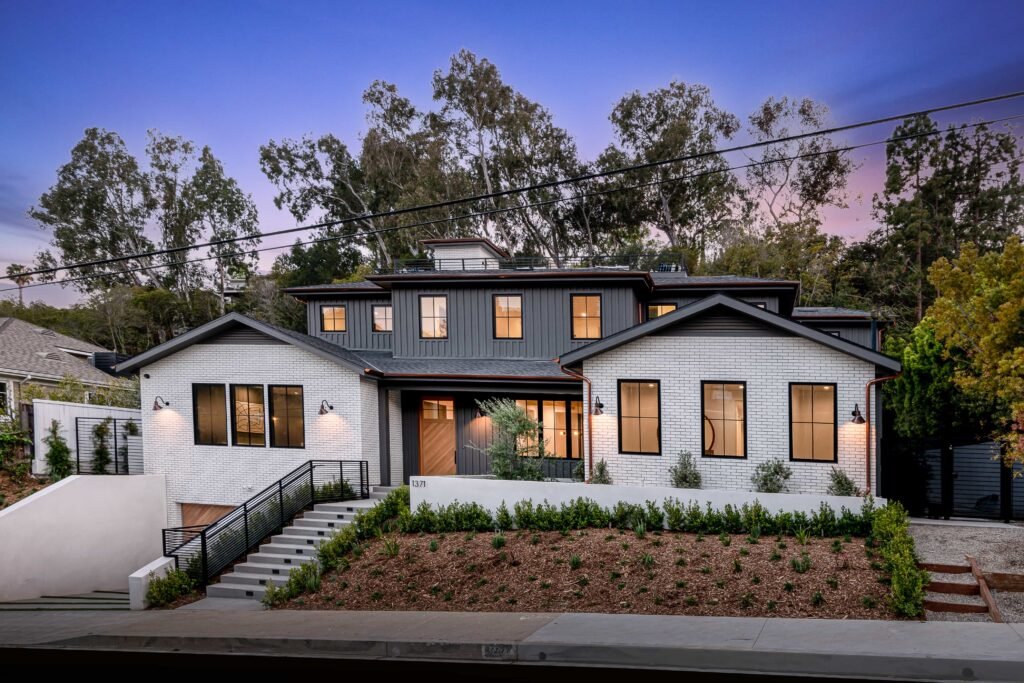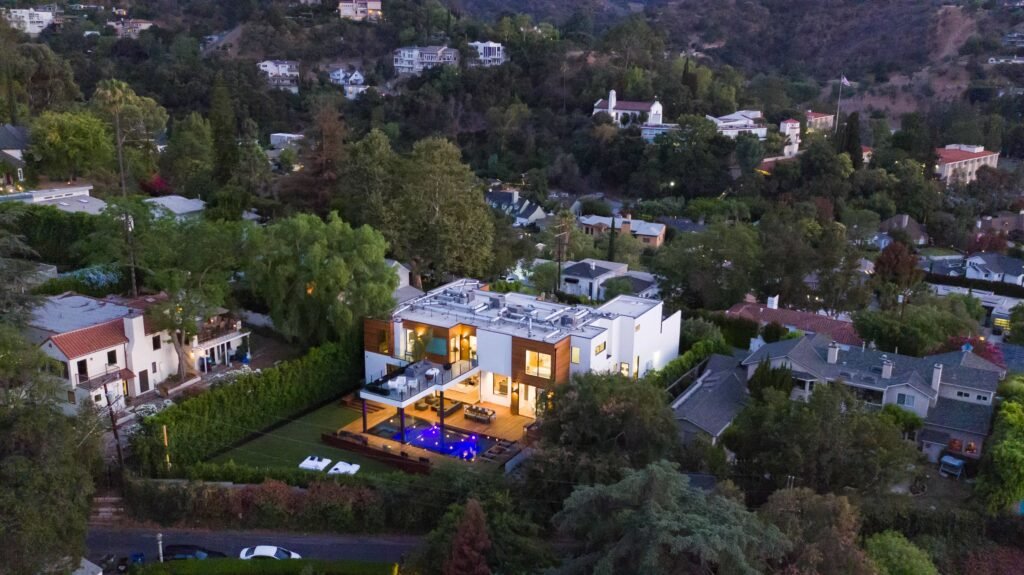
Every construction project in Los Angeles runs through the same bottleneck before a single wall goes up: the permit. It is the step homeowners underestimate most, and the one that decides whether your project starts on schedule or sits waiting for months. Here is what to actually expect in 2026.
The short answer: simple permits can be issued same day over the counter, while a full custom home or hillside project can take 4 to 8 months to clear plan check before a permit is issued.
Permit timeline by project type
| Project type | Typical timeline | Review path |
|---|---|---|
| Like-for-like electrical, plumbing, water heater | Same day | Over the counter |
| Kitchen or bathroom remodel, no structural change | 1 to 3 weeks | Express / OTC plan check |
| ADU (standard plan) | 4 to 8 weeks | Standard plan check |
| Room addition, second-story addition | 2 to 4 months | Standard plan check |
| New custom home, flat lot | 3 to 6 months | Standard plan check |
| Hillside or Coastal Zone new build | 5 to 10+ months | Standard plan check + geotechnical / Coastal Development Permit |
These ranges cover the time from a complete application submission to permit issuance, including the correction cycles most projects go through. They do not include the weeks it takes to prepare architectural drawings and engineering before you submit.
Treat these as planning estimates, not guarantees. LADBS publishes shorter figures for plan check review time itself — commonly a few weeks for a straightforward project, and longer for hillside, HPOZ, coastal, or very-high-fire-severity parcels — but the review clock is only part of the total. How fast your team responds to corrections, how complete the first submission is, and current department workload all move the real number significantly. Ask your contractor what your specific lot and scope are running right now.
What actually happens during plan check
LADBS (LA Department of Building and Safety) reviews your drawings against building code, zoning, fire, and — depending on the project — grading, structural, and Title 24 energy requirements. Each of those is a separate reviewer. Your plans do not move forward until every reviewer signs off.
- Submission. Your architect or contractor files the complete drawing set and supporting documents.
- First review. Each discipline reviews the plans and issues a correction list if anything is missing or non-compliant.
- Correction cycle. Your team responds to every correction and resubmits. Most projects go through two to four cycles.
- Clearance. Once every discipline signs off, the permit is issued and you can pull it and pay fees.
What slows a permit down
- Incomplete submissions. Missing a single required document restarts the clock on that review.
- Coastal Development Permit. Properties in the Coastal Zone need Coastal Commission or local Coastal review in addition to LADBS, which can add months.
- Hillside grading and geotechnical review. Soil and grading reports must clear a separate geology review before structural plan check can finish.
- Historic Preservation Overlay Zones (HPOZ). Exterior changes in an HPOZ need design review before the building permit can move forward.
- Backlog. Submission volume varies. Post-fire rebuild permits and expedited tracks have shifted normal queue times across the city.
- Change orders mid-review. Any change to the submitted design after plan check has started means a new round of correction.
How to keep your permit on track
- Submit a complete set the first time. A thorough, code-compliant submission avoids entire correction cycles.
- Respond to corrections fast. The clock is on you as much as it is on the city. Same-week responses keep momentum.
- Know your zone before you design. Coastal, hillside, and HPOZ requirements should shape the drawings from day one, not get discovered mid-review.
- Use a contractor who tracks the application. Someone needs to be checking status and pushing corrections through — it should not be you calling LADBS.
Frequently asked questions
Can I start construction before my permit is approved?
No. Building without a permit where one is required is illegal in Los Angeles and can result in stop-work orders, fines, and problems when you sell the property. Any licensed contractor will refuse to start before the permit is in hand.
Do I need a permit for a kitchen or bathroom remodel?
Cosmetic changes like paint, cabinets, and flooring generally do not need a permit. Anything touching plumbing, electrical, gas, or structure does.
Can I pay to expedite my permit?
LADBS offers expedited plan check for an additional fee on many project types. It reduces queue time but does not remove the correction cycle if your submission has issues.
Ready to start your project?
JJP Construction manages the full permit process on every project we build — the drawings, the submission, the correction cycles, and the follow-up with the city. Book a call and we will tell you exactly what your project's timeline looks like before you sign anything.